Dining room decor, from a photo of your dining room
A dining room is three decisions: the table and chairs, the light above them, and the wall you face while you eat. Here is how to get each right and how to see them together in your own room first.
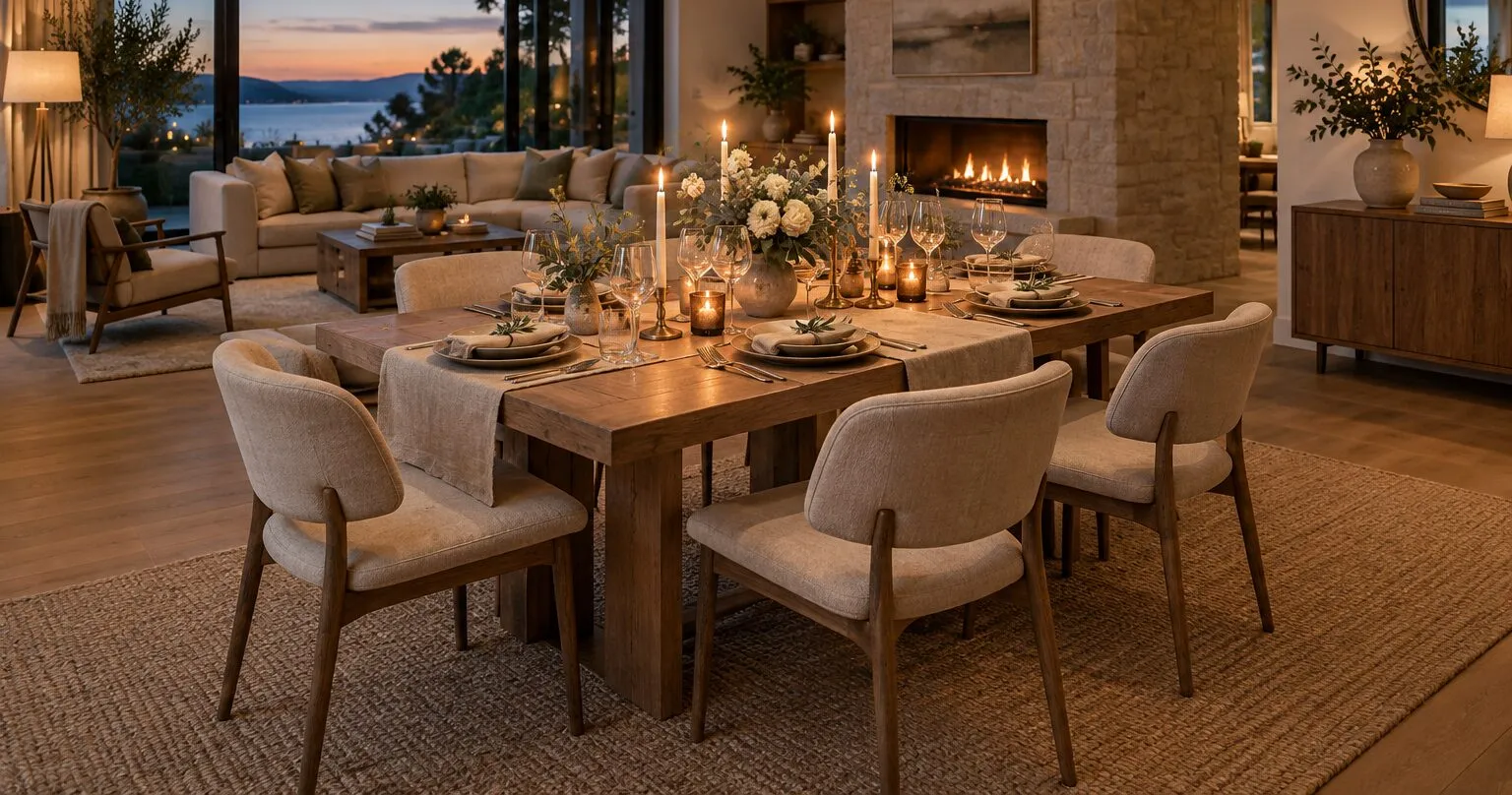
The table and chairs
Allow about 60 cm of table edge per person and 90 cm from the table to any wall so chairs can move. A round table suits a square room and a small one; a long rectangle suits a narrow room or an open-plan dining area. Mixing chairs is fine if they share a material or a colour. Upholstered chairs make people linger; wooden ones are easier to live with.
Dining room wall decor
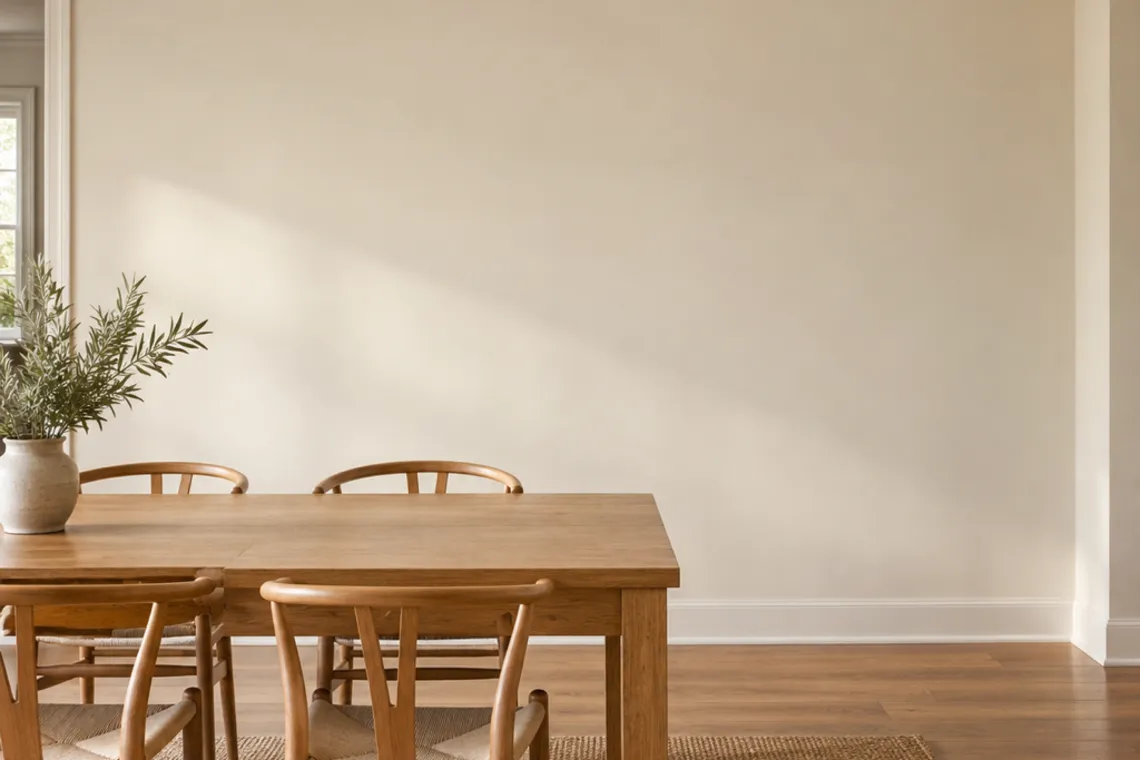
The wall you face from the table can carry more than any other wall in the house. A large single artwork, a big round or arched mirror, a dark painted wall or a run of panelling all work. A mirror also reflects candlelight in the evening, which is why it is the classic choice. Keep the other walls quiet.
Lighting
A pendant or a pair of pendants hung low over the table, roughly 75 cm above it, does more for a dining room than any object on it. Put it on a dimmer. Add a lamp or wall lights elsewhere in the room so the pendant is not the only light source.
Centrepieces and table decor
Keep it low enough to see over: a bowl, a shallow vase of flowers, a cluster of candles on a tray. For a dinner party, a linen runner, mixed glassware and candles at two heights are enough; the food is the decor.
See it on your dining room
Room AI works from a photo of your dining room or the dining end of a living room. Restyle it to see a full scheme, use Replace to try a different table or pendant, or choose Decorate for an occasion to see it set for a dinner party. Every result keeps your windows, walls and doors exactly where they are.
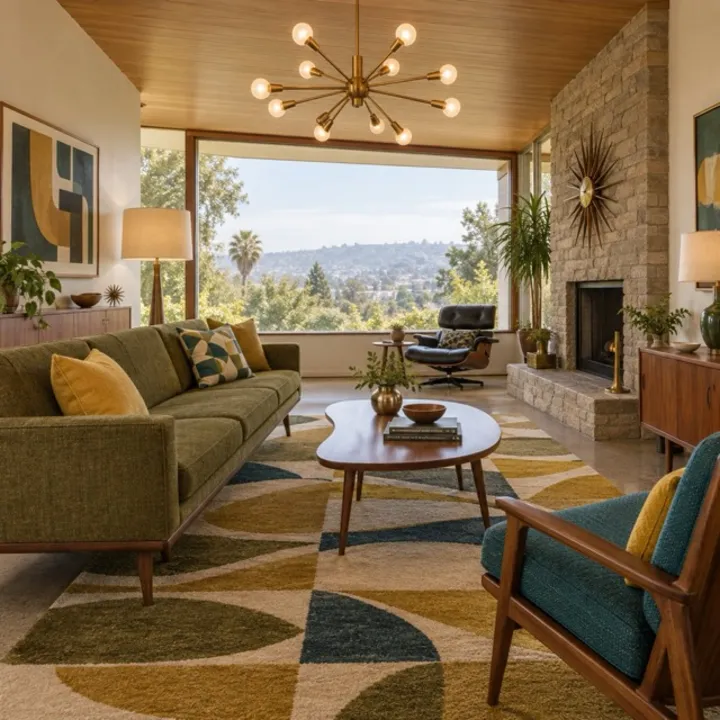
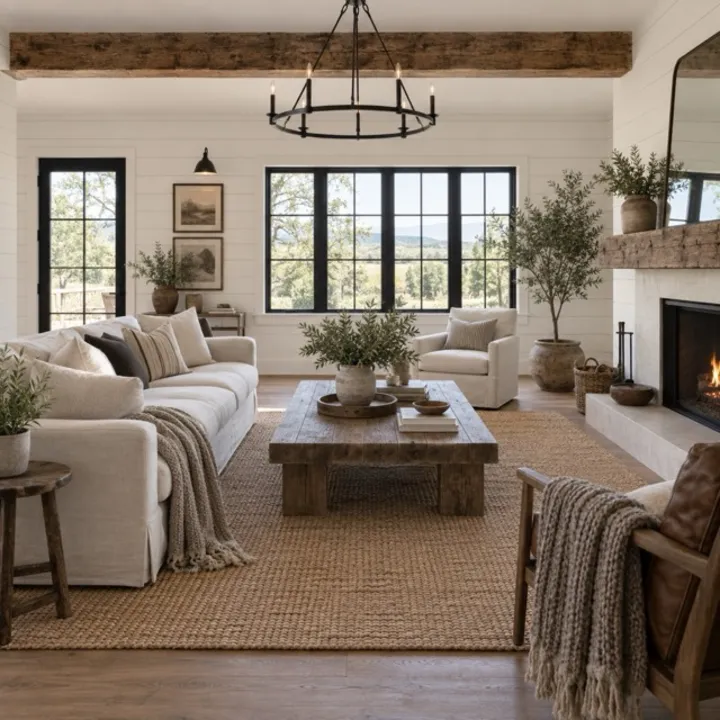
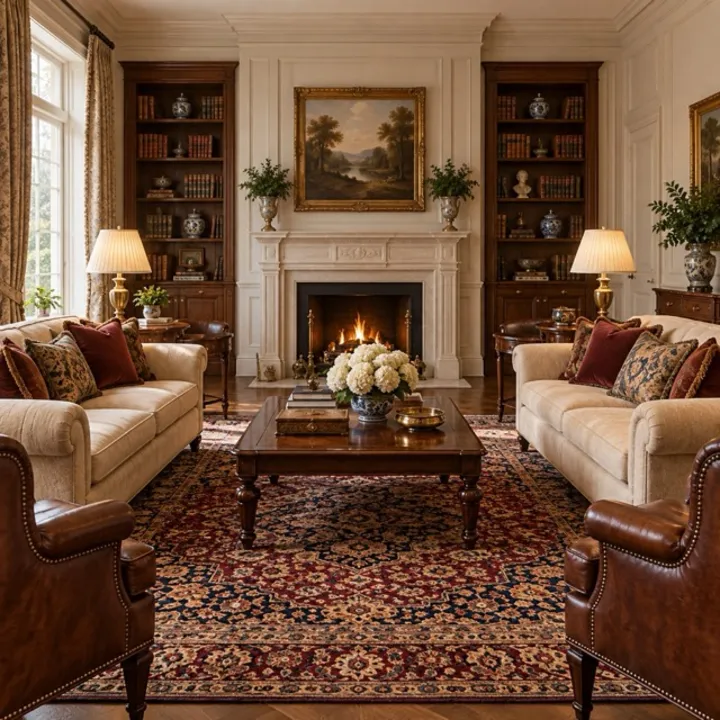
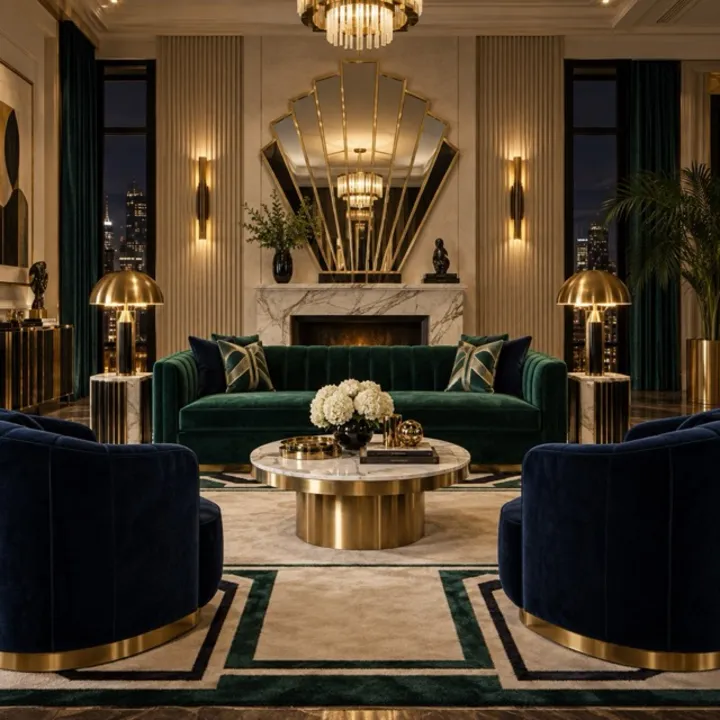
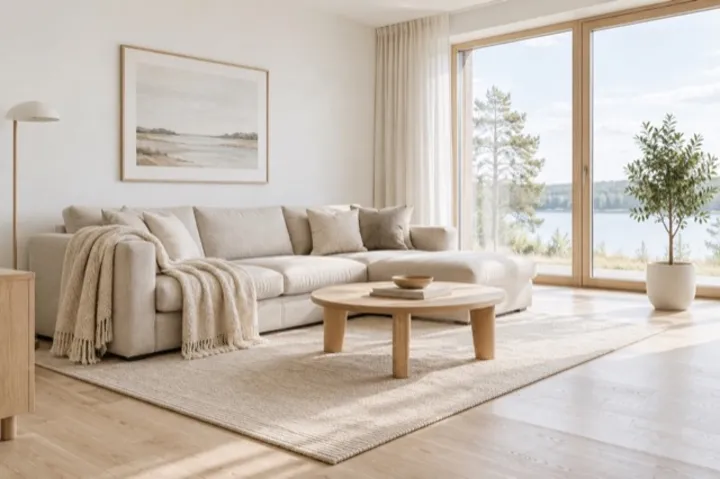
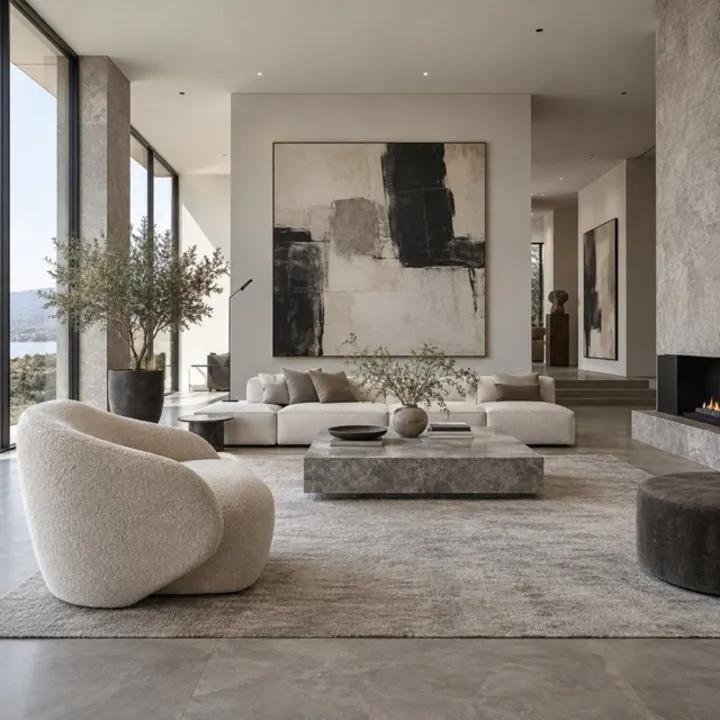
Styles that suit this
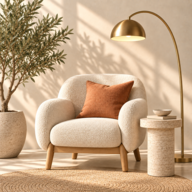
Try it on a photo of your own room.
Free to download, with free designs to start.